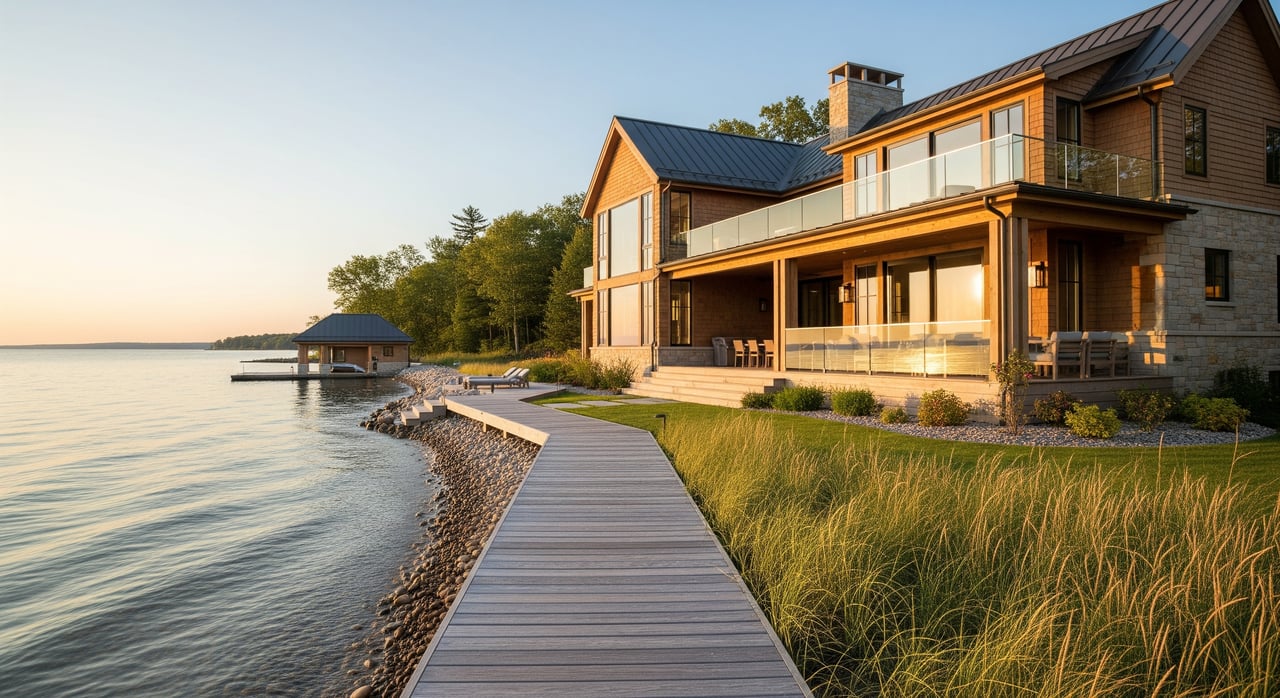
Modern wood-and-stone house beside a lake, with a boardwalk curving past shoreline grasses.

Popular Home Styles In Lakeside

December 18, 2025

What draws you to Lakeside is more than a floor plan. It is the lake breeze, the porch views, and the easy rhythm of a shoreline town. If you are exploring homes in Lakeside, it helps to understand the styles you will see and how they fit the local climate and rules. In this guide, you will learn what sets classic cottages, modern lake homes, and tasteful renovations apart, plus what buyers value and how sellers can prep for the market. Let’s dive in.

What makes Lakeside homes unique

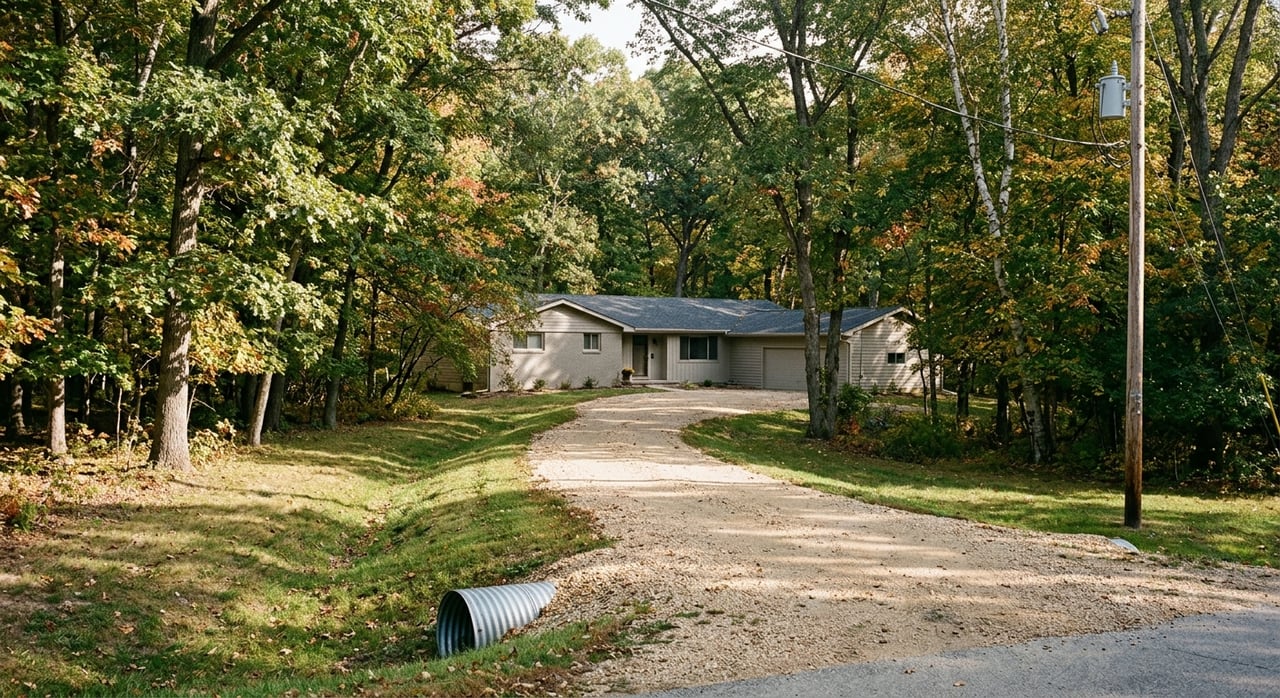
Lakeside sits along Lake Michigan in southwest Michigan, where water views and lake-effect weather shape how homes look and live. Many properties began as seasonal cottages and were later adapted for year-round use. You will find a mix of modest originals, thoughtfully renovated homes, and new construction designed around views and outdoor living.

Local regulations and site conditions matter. Shoreline lots may sit in FEMA flood zones, which can affect insurance and elevation needs. Work on seawalls, revetments, or docks often needs review by Michigan’s EGLE and permits through Berrien County. Some neighborhoods have covenants that guide exterior finishes or additions. Always verify specifics with local agencies before you renovate or build.

Classic cottages

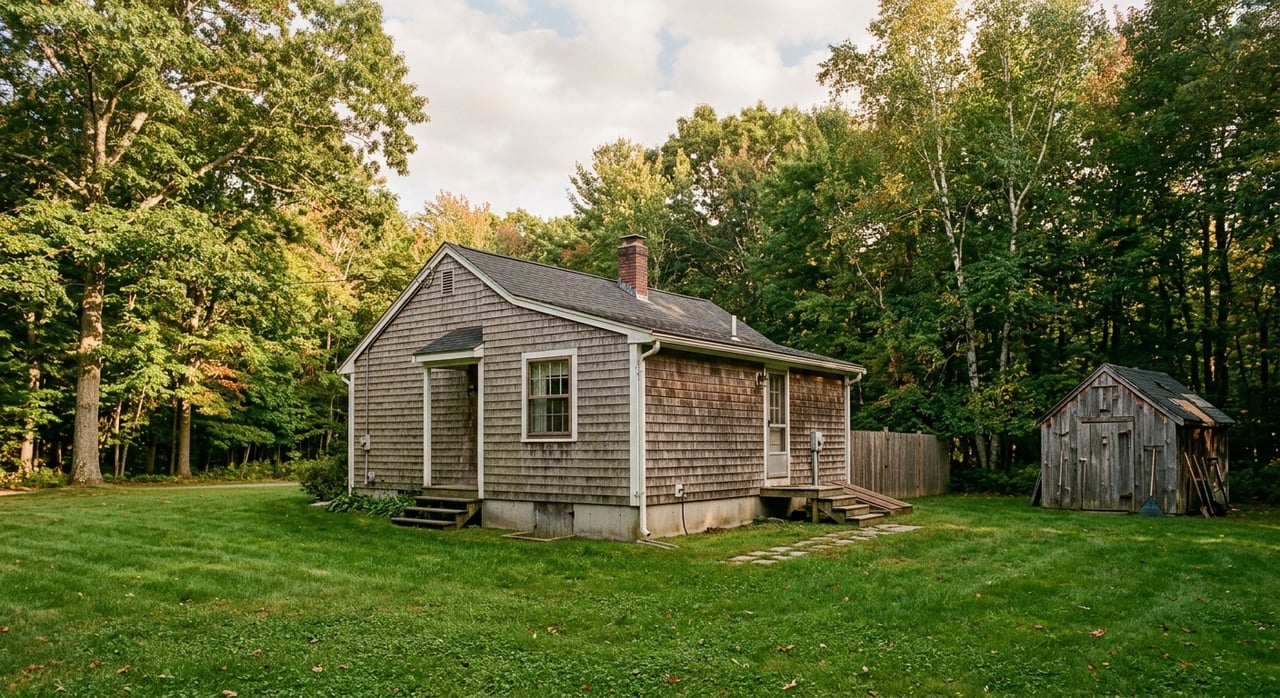
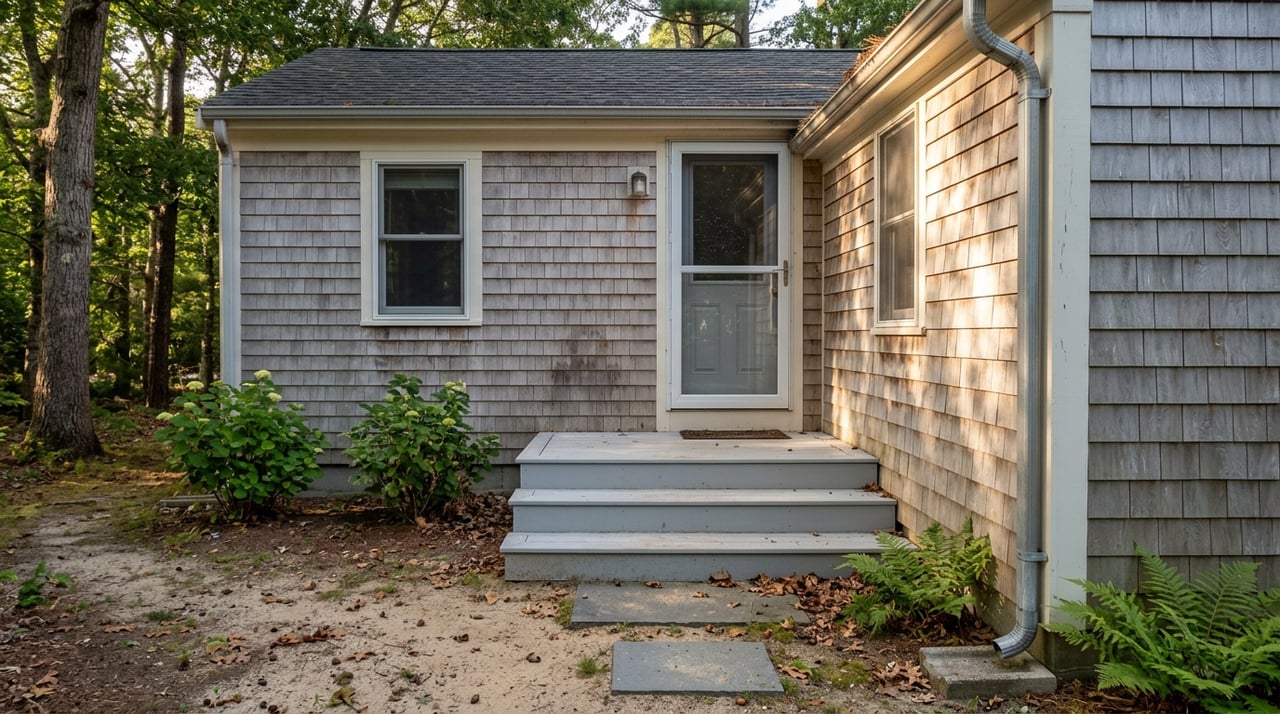
Classic Lakeside cottages are cozy and full of character. Many range from about 600 to 1,400 square feet and sit one to one-and-a-half stories tall with simple gable roofs. Porches and screened rooms face the lake, and exteriors often feature wood clapboard or cedar shingles in light or nautical colors.

Inside, you will see compact kitchens, small bedrooms, wood floors, and straightforward finishes. Foundations vary. Some older cottages sit on crawl spaces or piers, especially on sloped lots, while others have full basements. The appeal is the indoor-outdoor connection and a relaxed, nostalgic feel.

Common issues include older mechanicals, insulation gaps, and siding or porch rot near splash zones. Kitchens and baths may need updates, and older septic systems can be a sticking point during inspections. If you are buying, plan for a careful review of the foundation, roof, septic, and any signs of water intrusion or mold.

Who loves cottages

  • Buyers who value character and proximity to the lake over square footage.
  • Second-home owners who want a simple getaway with great porch life.
  • Renovators who prefer to preserve original massing and add modern systems.

Modern lake homes

Newer Lakeside builds lean into the view. Expect open layouts, multiple bedrooms and baths, and large expanses of glass that frame the water. Many include clerestory windows, sliding glass doors, and elevated sightlines. Exteriors favor durable, low-maintenance materials like fiber cement, engineered wood, stone accents, and composite decking.

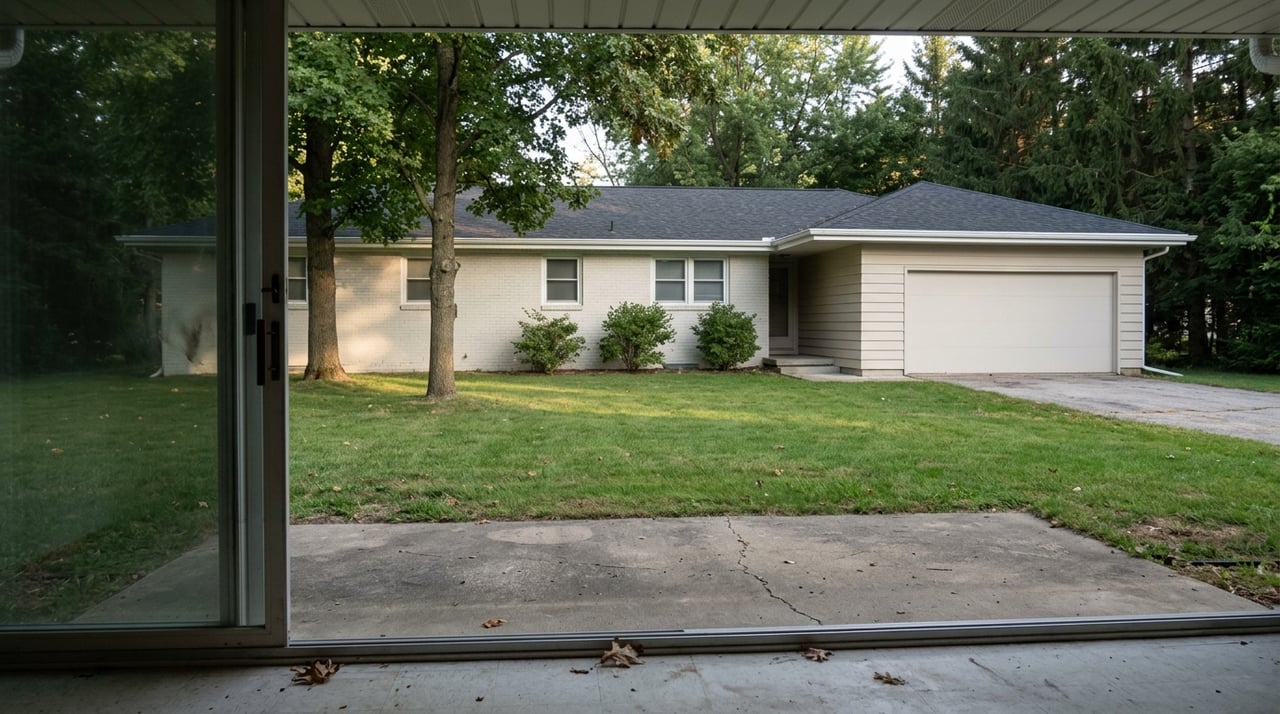
Outdoor spaces are part of the design. You will often see broad decks, glass railings, covered areas for shade, and features like fire pits or outdoor kitchens. On challenging sites, homes may use pilings or elevated foundations and pair with engineered shoreline solutions where allowed. The result is a comfortable, efficient home that works in all seasons.

The tradeoffs are higher build costs and specialized coastal requirements. Flood zones, erosion control, and insurance can add complexity. If you are buying, confirm elevation data, shoreline stability, and permits for any seawalls or stairs. If you are building, meet with local officials to map out approvals early.

Who loves modern lake homes

  • Buyers who want panoramic views and minimal upkeep.
  • Owners who value energy efficiency, smart systems, and flexible spaces.
  • Households that host often and need multiple bedrooms and baths.

Renovations and hybrids

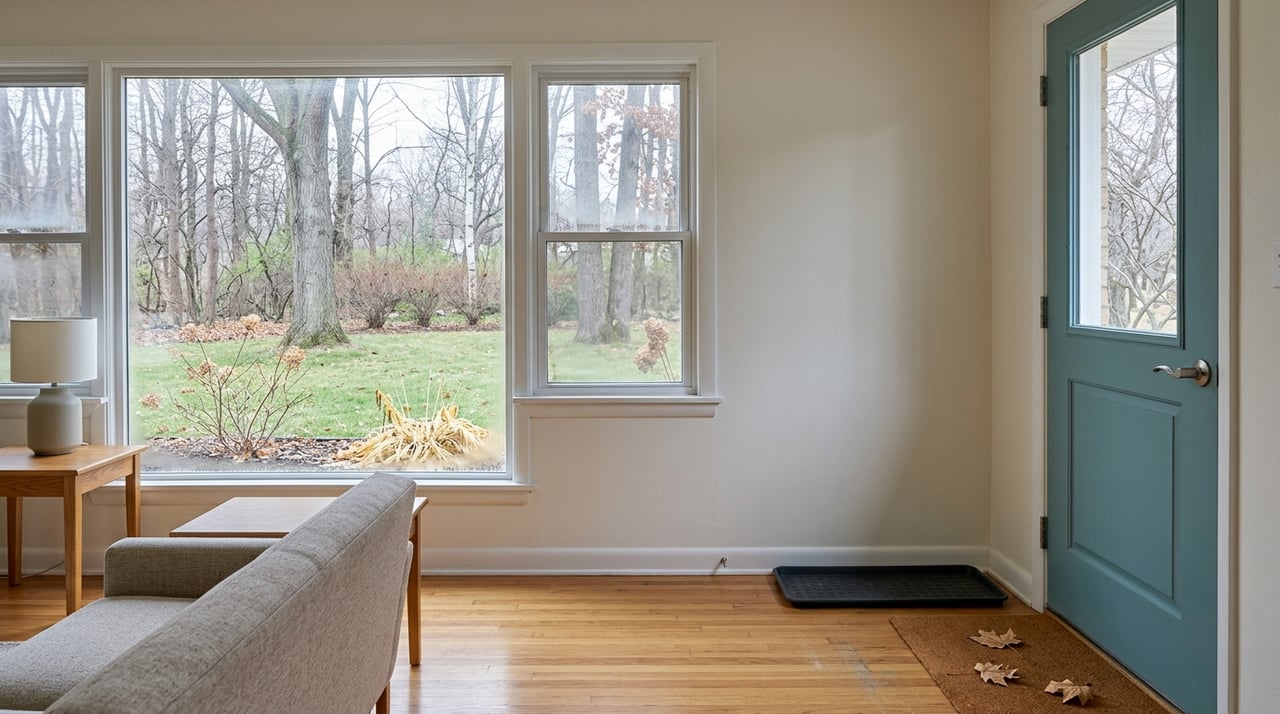
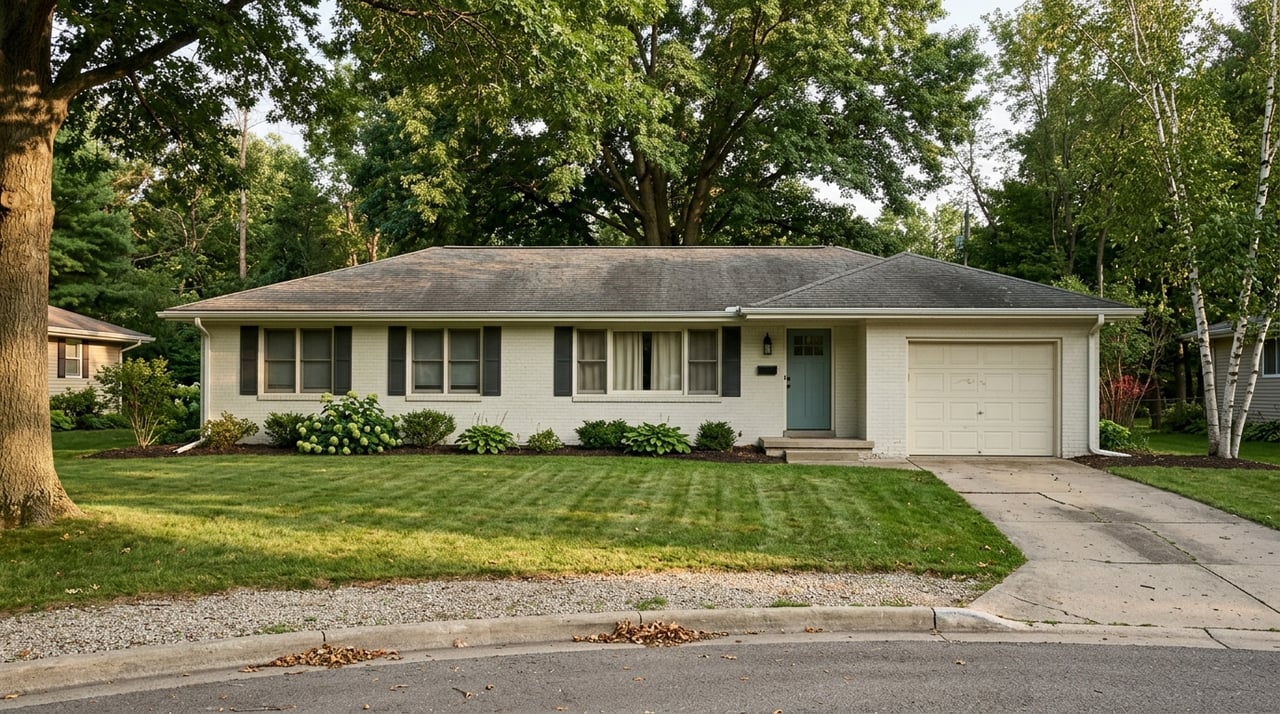
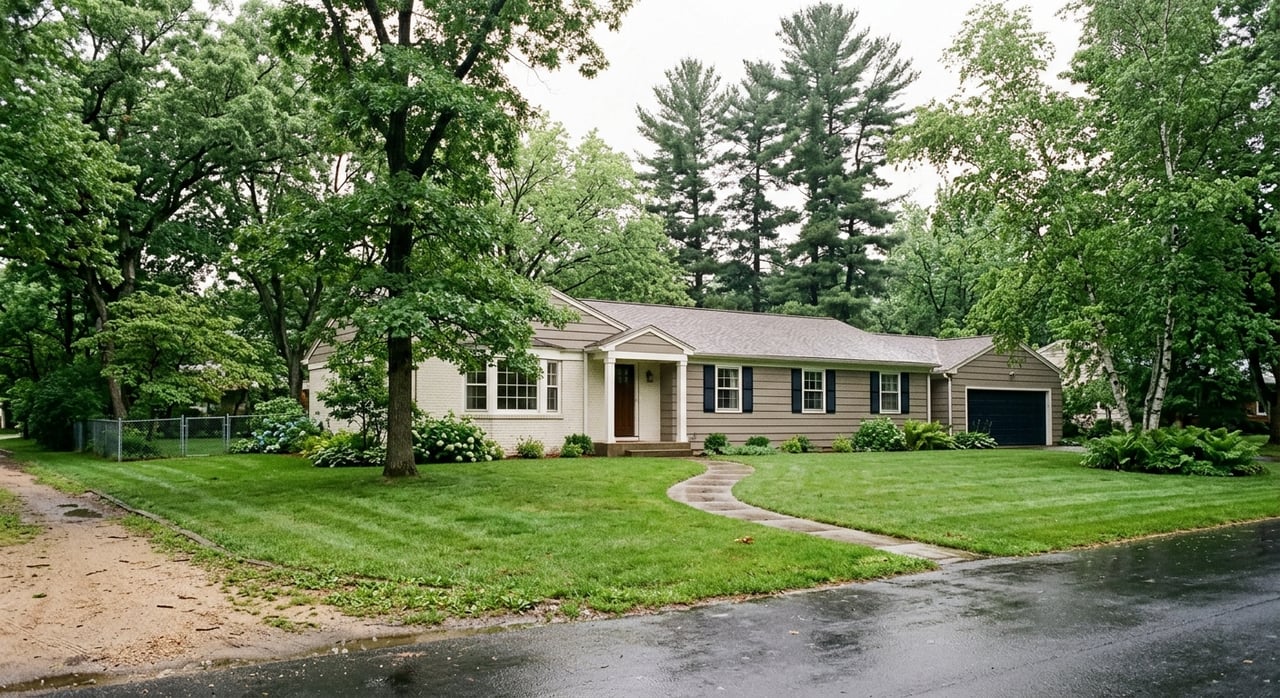
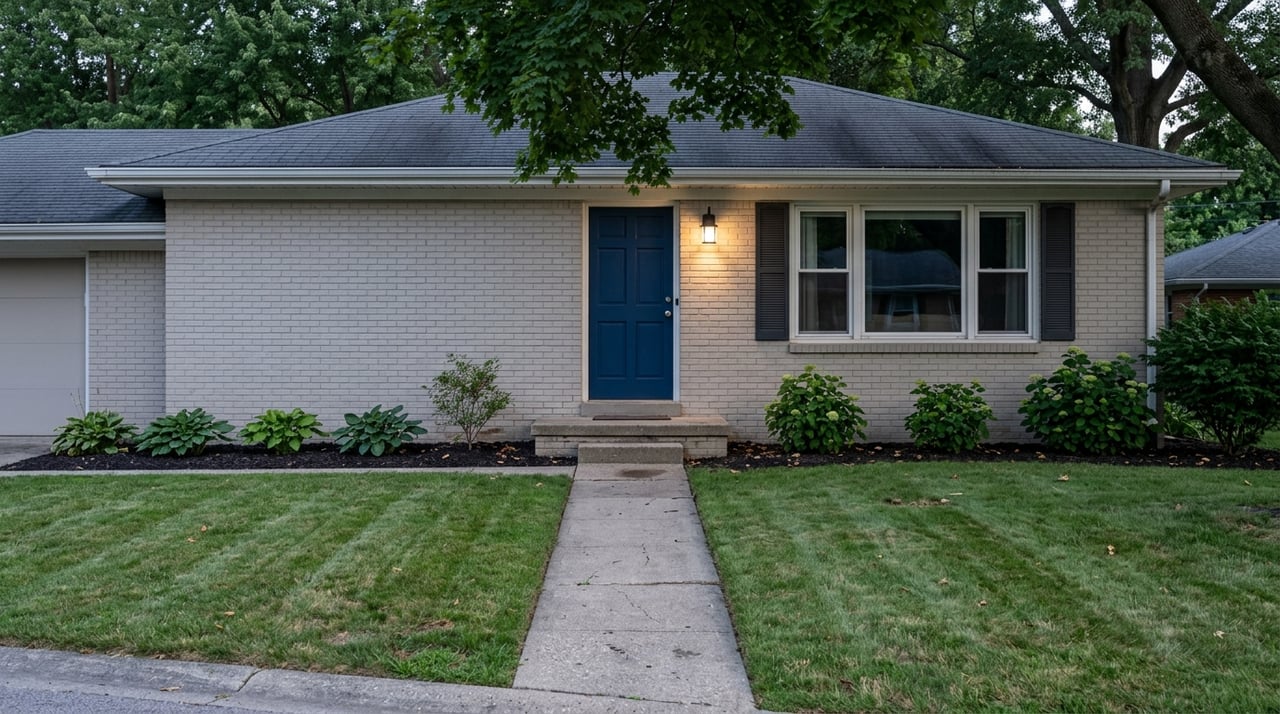
Many Lakeside homes blend cottage scale with modern convenience. These tasteful renovations keep the original rooflines and porch charm but upgrade kitchens, windows, baths, insulation, and mechanicals. You might see reclaimed elements paired with neutral palettes and bigger openings to the view.

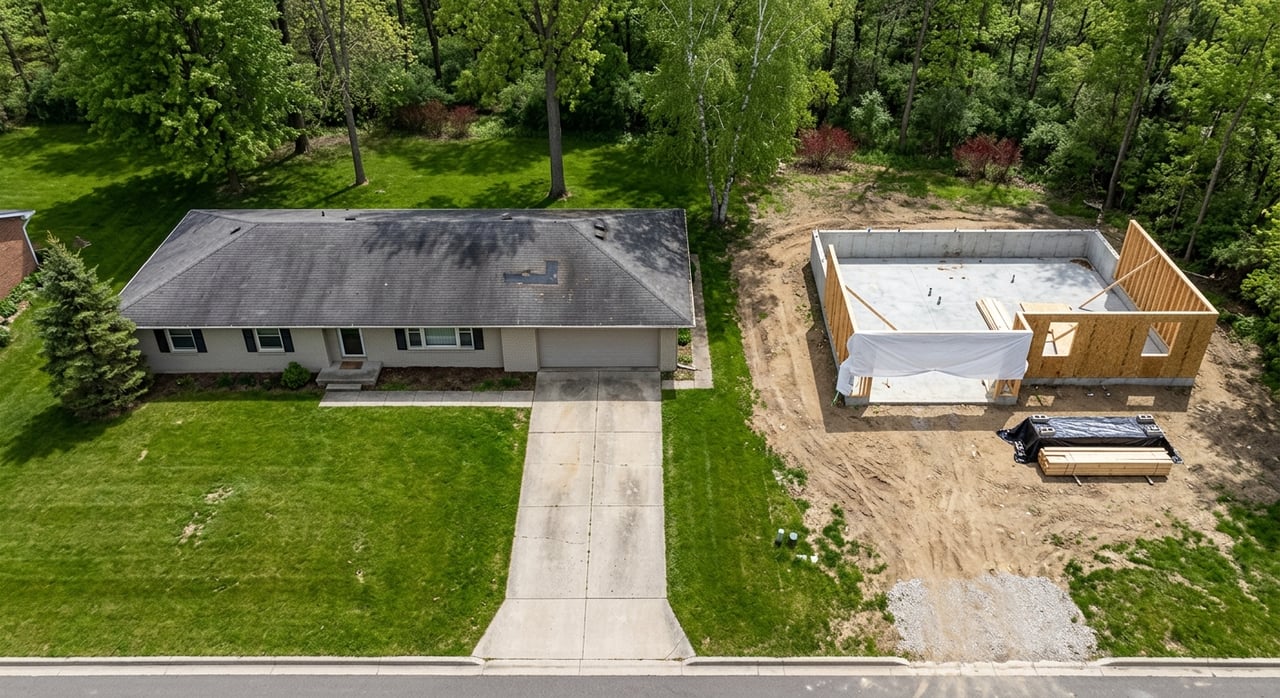
Additions often expand living areas or create functional zones, such as a new bedroom wing, mudroom with storage, or a larger screened porch. For buyers, these homes can offer the best balance of character and comfort. For sellers, smart updates can deliver strong returns without a full teardown.

Potential challenges include tying new work into older structures and discovering hidden issues like outdated wiring or rot. Plan for a thorough inspection and set aside a contingency for surprises. Documentation of permits, plans, and inspections helps both buyer confidence and appraisal.

Smart upgrades that fit the Lakeside look

  • Open a kitchen to living areas and add a durable island surface.
  • Replace failing windows with quality low-E units sized to the original scale.
  • Insulate attics and rim joists and add a high-efficiency heat pump.
  • Refresh porches with repaired railings and composite decking where appropriate.

Accessory structures and site features

Shoreline living extends beyond the main house. Docks, small boathouses, guest cottages, and thoughtful storage for boats or gear are common on larger lots. Seawalls, riprap, and reinforced slopes may be present and require maintenance. Many sites use stairs down dunes and native plantings for erosion control and a natural look.

Rules around docks, boathouses, and shoreline work vary by site and jurisdiction. Plan on checking state and county requirements and any neighborhood covenants. If you are evaluating a property, include shoreline condition and access in your due diligence.

What buyers value in Lakeside today

  • View and access: Direct lake views and private or deeded access are top priorities. Safe, well-maintained stairs, docks, and landings are a plus.
  • Outdoor living: Screened porches, decks, patios, and fire pits extend the season and make gathering easy.
  • Kitchens and baths: Open kitchens with durable counters and updated appliances rank high. Extra full baths and en-suites improve function.
  • Efficient systems: Good insulation and windows, heat-pump HVAC, efficient water heaters, and smart thermostats lower costs and increase comfort.
  • Durable exteriors: Fiber-cement siding, metal roofing, and composite decking reduce maintenance in a freeze-thaw and wind-prone setting.
  • Flexible layouts: Home offices, bunk rooms that double as guest space, and main-floor laundry add real-world utility.
  • Practical utilities: Reliable well and septic or municipal connections, adequate parking, and driveways that work in winter matter for year-round living.
  • Connectivity: Strong broadband and cell service support remote work and rental appeal.

Seller tips to maximize value

A few focused projects can make your home shine without over-investing. Prioritize safety, appearance, and function that highlight the lake.

  • Refresh exteriors: Power wash, repaint trim, and repair porch rails and stair treads. Update path lighting to the water.
  • Fix the basics: Service HVAC and water heaters and gather maintenance records. Inspect and repair docks, stairs, and railings where needed.
  • Stage the view: Deep clean and stage main living spaces and porches to frame the lake. Remove heavy drapes that block light.
  • Update kitchens and baths: Refinish cabinets, replace hardware, refresh grout and caulk, and add modern lighting. Consider durable counters if budget allows.
  • Address insulation and air sealing: Focus on the attic and rim joists. These upgrades can be low cost and meaningful in a lake climate.
  • Paperwork ready: Keep permits and records for shoreline work, septic and well tests, and any renovations. Buyers and appraisers will ask.

Practical steps for your search or sale

  • Verify flood status: Check FEMA flood maps and ask for elevation info if available. Insurance requirements can affect affordability.
  • Review shoreline conditions: Evaluate erosion control, stairs, docks, and any seawalls. Confirm permits and recent maintenance.
  • Prioritize inspections: Focus on foundations or pilings, roofing and attic ventilation, septic and well, mechanical system age, and any signs of water intrusion or rot.
  • Plan for winter: Consider snow load, freeze-thaw wear, and road access. Durable materials and a workable driveway are key for year-round use.
  • Confirm utilities and service: Ask about broadband options and cell coverage, especially if you work remotely or plan to host guests.
  • Understand local rules: Check with Berrien County and township offices for building permits, septic regulations, and any short-term rental or HOA restrictions.
  • Consider financing and insurance: Waterfront locations can carry higher premiums and special endorsements. Get quotes early in the process.

Whether you are drawn to a porch-wrapped cottage, a glass-forward modern, or a thoughtful hybrid, Lakeside offers a style for how you want to live by the water. If you want guidance grounded in community knowledge and a clear plan from search to closing, connect with Cameron Mammina for local, concierge-level support.

FAQs

Do Lakeside homes require flood insurance?

  • If a home is in a FEMA Special Flood Hazard Area, lenders usually require flood insurance; many buyers consider coverage even outside mapped zones.

What permits do I need for docks or seawalls in Berrien County?

  • Shoreline work typically needs state review through Michigan’s EGLE and local permits; confirm details with county and township offices.

Are older Lakeside cottages hard to convert to year-round living?

  • Many can be updated with insulation, HVAC upgrades, and septic or foundation improvements, guided by professional inspections.

How does winter affect Lake Michigan home upkeep?

  • Snow load, freeze-thaw cycles, wind, and ice push increase wear; durable materials and routine maintenance reduce long-term costs.

What features add the most value for Lakeside buyers?

  • Lake views, safe water access, outdoor living spaces, modern kitchens and baths, efficient systems, and low-maintenance exteriors.

Is private water access worth the premium in Lakeside?

  • For many buyers it is, due to convenience and lifestyle benefits, but it comes with maintenance and permitting considerations.

What inspections are most important for lakefront property?

  • Foundation or pilings, shoreline stability, roof and ventilation, septic and well, and signs of water intrusion or rot are top priorities.

Work With Cameron

Contact me to learn how I deliver exceptional customer service to every client.