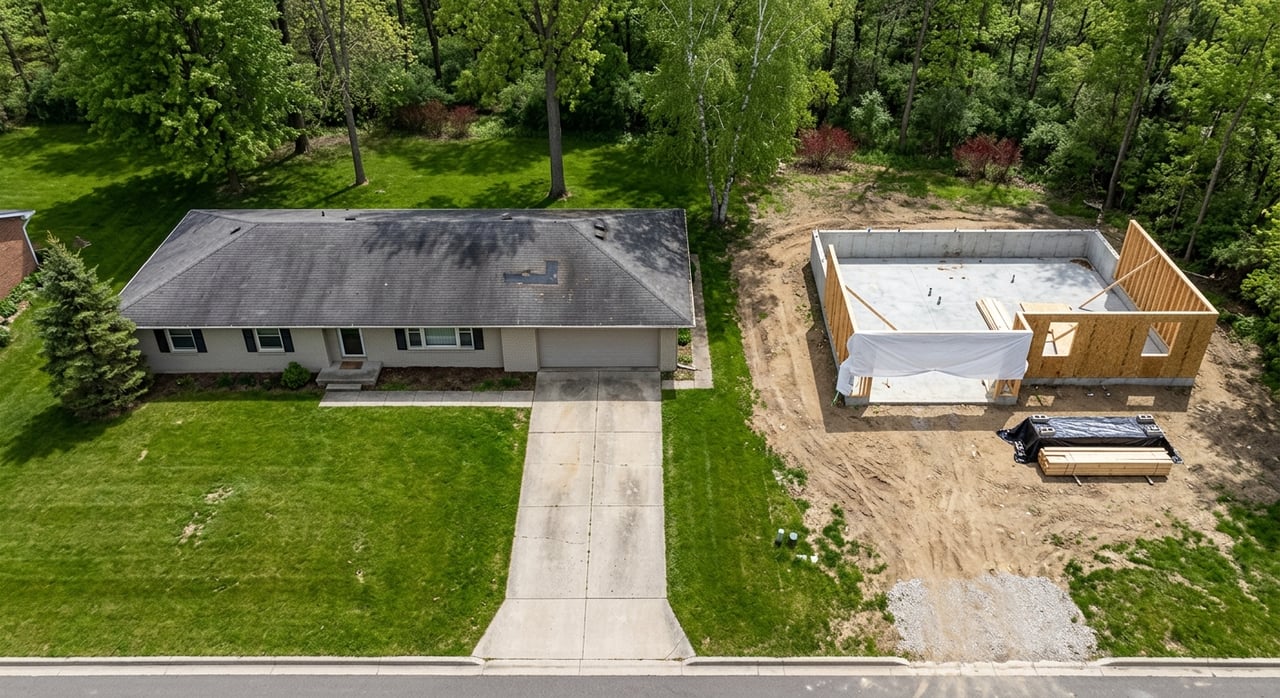
New Construction Vs Existing Homes In Stevensville, MI
June 25, 2026
Buying in Stevensville often comes down to one big question: do you want the shine of a brand-new home, or the flexibility and price range of an existing one? If you are weighing both options, you are not alone. In a market where new construction and resale homes can sit in very different price bands, understanding the tradeoffs can help you make a smarter move. Let’s dive in.
In Stevensville, new construction and existing homes are not just two versions of the same product. They often appeal to different budgets, timelines, and priorities.
Current market data shows a noticeable pricing gap. Zillow places the typical Stevensville home value at $339,293, with a median list price of $379,333 as of May 31, 2026, while one of the clearest local new-construction options starts at $492,400. That difference matters if you are trying to balance monthly payment, cash needed at closing, and long-term upkeep.
At the same time, sales prices can vary quite a bit from asking prices. Redfin reported a three-month median sale price of $231,112 ending in May 2026, which shows why buyers need to look beyond headline list prices and compare actual market behavior.
In Stevensville, current new construction appears to be relatively limited. Lincoln Charter Township reported six permits requested for new residential homes in 2024, and the village logged five new-construction permits during the six months the township handled village inspection services.
That limited supply helps explain why new homes can command a premium. When fewer homes are being built, buyers may have fewer chances to find a brand-new property at a lower price point.
A clear example is Wyndstone Estates, where homes start at $492,400 and offer 3 to 6 bedrooms, 2 to 4 bathrooms, and 1,658 or more square feet. The community currently shows move-in-ready options along with multiple floor plans, which gives buyers some flexibility within a builder-led process.
The biggest draw of new construction is usually newer systems and lower near-term maintenance. A newer roof, furnace, appliances, and finishes can mean fewer repair surprises in the first several years of ownership.
New homes also tend to offer current design features. A representative under-construction home on Comiskey Road is marketed with quartz countertops, tile backsplash, stainless appliances, a mudroom, and a large pantry, which reflects the kind of finish package many buyers want today.
For some buyers, another advantage is the chance to personalize the home before completion. In Stevensville, that often means choosing from floor plans, elevations, and upgrade packages rather than designing a fully custom home from scratch.
The most obvious downside is price. Based on current data, new construction in Stevensville starts well above the typical home value and above many resale listings.
The process can also be less flexible than buyers expect. Many people hear “new construction” and assume full customization, but local examples point more toward plan-based choices. You may get options, but you are still working within the builder’s structure, timeline, and pricing.
Timelines can also shift. The Southwest Michigan Planning Commission notes supply-side constraints such as zoning fragmentation, infrastructure gaps, and construction labor shortages, all of which can extend timelines and raise costs for new construction and renovation work.
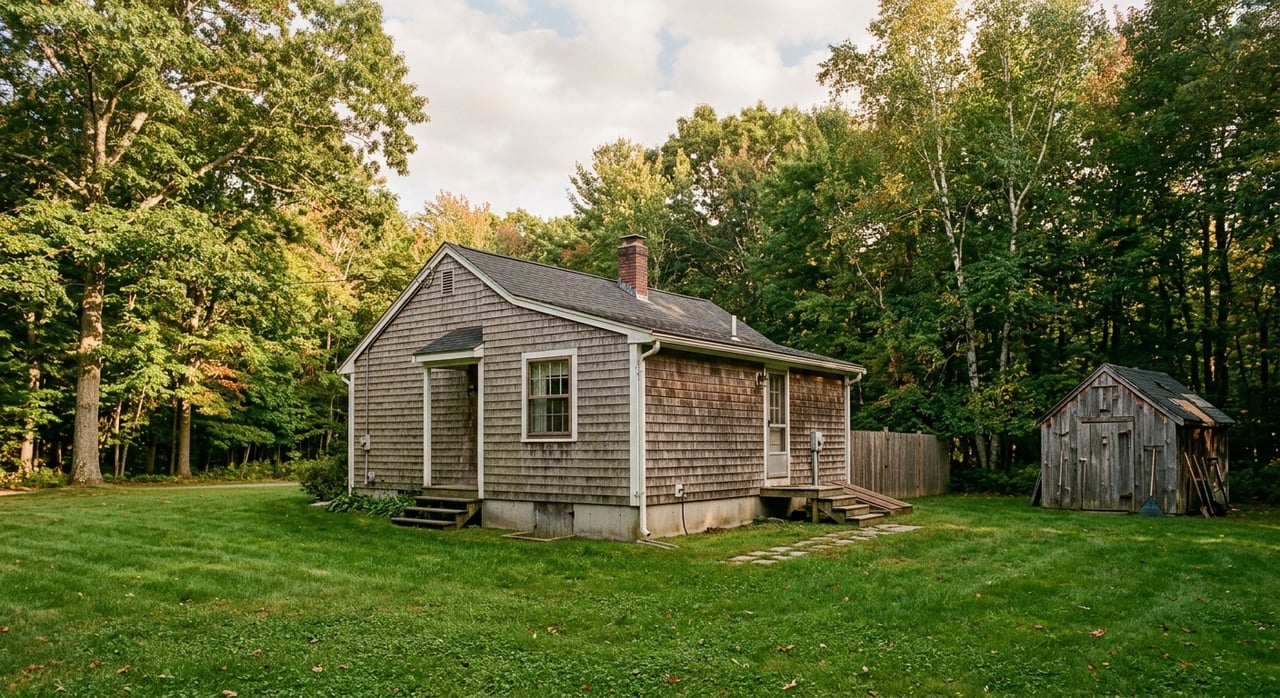
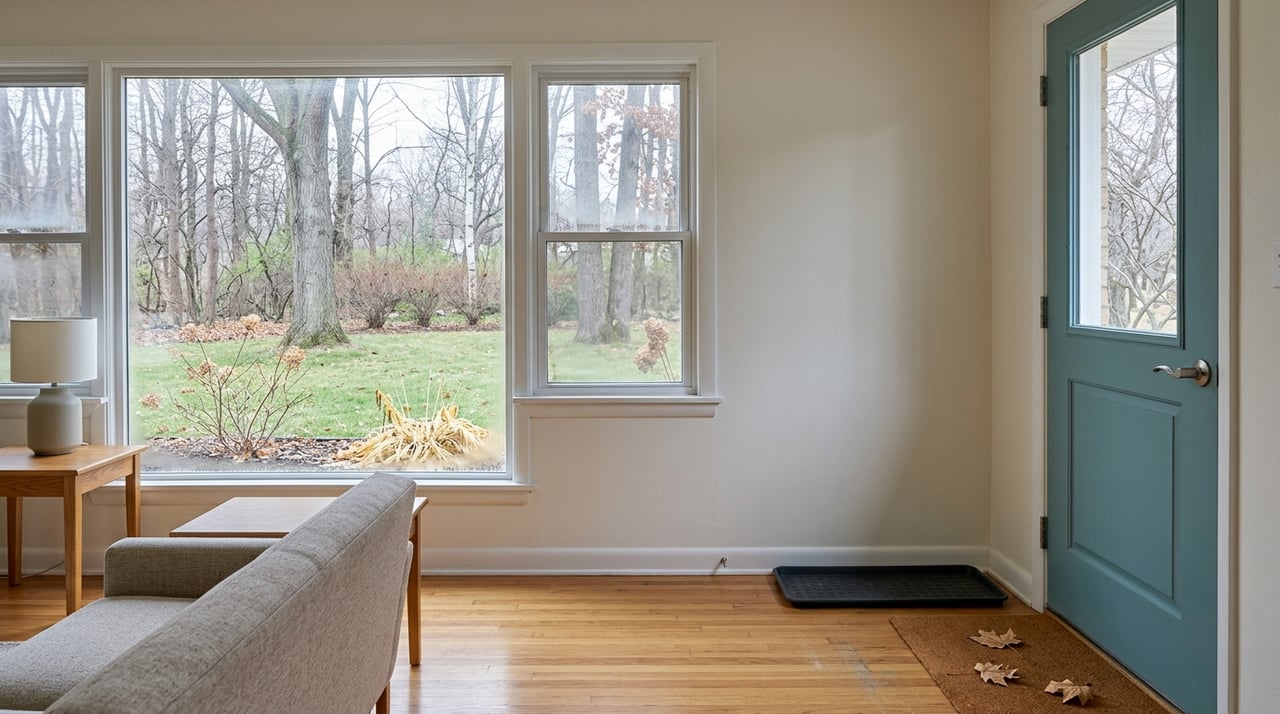
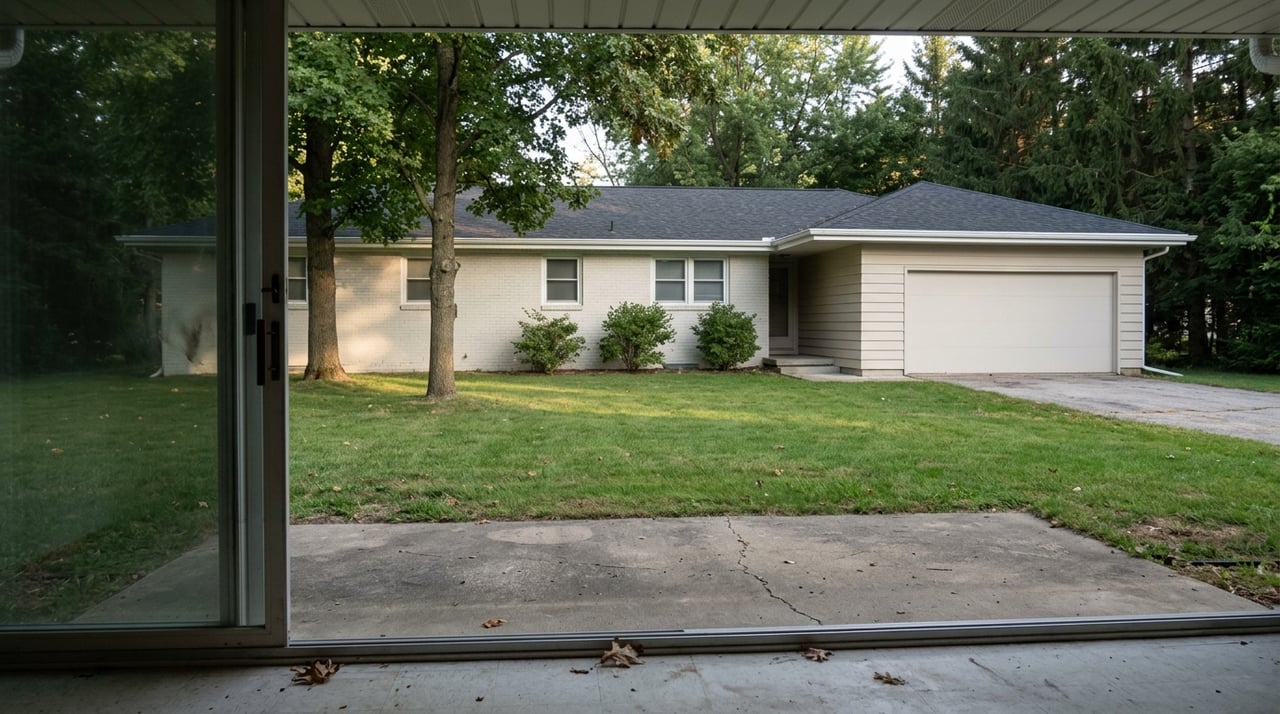
Existing homes usually give you a wider price range. Recent Redfin examples in Stevensville include homes listed at $319,000, $329,900, and $380,000, which supports the idea that resale is often the lower-cost path into the market.
That does not mean every resale home is a bargain. Some higher-end existing homes can overlap with or even exceed new-construction pricing, but the broader resale market still tends to offer more entry points.
For many buyers, resale also gives more variety in lot size, street layout, and home style. If you want choices beyond a single new-home community or builder package, existing homes can open up more possibilities.
The biggest advantage is speed. In most cases, you can tour, inspect, negotiate, and close on an existing home without waiting through a full build cycle.
That timing matters in Stevensville. Lincoln Charter Township reviews plans before permits are issued and handles building safety, permits, and inspections for most construction-related work in the area, so any major post-closing changes can add another layer of coordination.
Resale homes can also make budgeting easier on the front end. If your goal is to get into the Stevensville market at a lower starting price, existing inventory may offer more realistic options.
The tradeoff is uncertainty. Older systems and past updates can create more maintenance questions, and a home that looks move-in ready may still need expensive work sooner than you expect.
Local permit data supports that concern. Lincoln Charter Township reported seven residential remodels over $100,000 in 2024, with an average cost of $215,642, which is a useful reminder that some homeowners are spending serious money on updates like roofs, windows, siding, insulation, or interior improvements.
You also need to confirm what work was done and whether permits were pulled when required. That is especially important for additions, major remodels, and system upgrades.
Whether you buy new or existing, local process matters more than many buyers realize. In Stevensville, Lincoln Charter Township handles building department functions for the village except for sign and fence permits.
The township states that plans are reviewed before permits are issued, and the Michigan Building Code requires a permit before construction. Some ordinary repairs may be exempt, but work affecting structure, egress, or mechanical, electrical, or plumbing systems may require permits and inspections.
For buyers, this means due diligence should include more than price and layout. You also want to understand what work has been done, what approvals were required, and what could still need review after closing.
With new construction, the advertised starting price is not always the final price. Buyers should ask what is included in the base price and what counts as an upgrade.
It is also smart to ask about landscaping, driveway completion, utility hookups, basement finish, and warranty coverage. Those items can change your real cost more than you might think.
With resale, your main budget question is often not “Can I buy it?” but “What will it need next?” A lower purchase price can still make sense, but only if you leave room for repairs, improvements, or system replacements.
Ask about the age of the roof, furnace, air conditioning, water heater, and windows. You should also ask whether additions or major remodels were permitted and what repairs came up during inspections.
One of the most important budget questions applies to both paths. In Michigan, a transfer of ownership generally causes taxable value to uncap in the calendar year after the transfer, according to the Michigan Department of Treasury.
That means you should not rely on the seller’s current tax bill when estimating future ownership costs. In Stevensville, the township assessor handles valuation and taxable-value questions, so getting clarity early can help you avoid surprises after closing.
If you want current finishes, newer systems, and more predictable maintenance, new construction may be the better fit. You may pay more up front, but the tradeoff can be a cleaner, more streamlined ownership experience in the early years.
If you want faster occupancy, a lower entry price, or more variety, an existing home may be the stronger option. You will likely need more due diligence, but you may also gain flexibility and save money on the front end.
For many Stevensville buyers, the answer comes down to your top priority. If you value personalization and low near-term maintenance, new construction may win. If speed and affordability matter most, resale often makes more sense.
A local advisor can help you compare the real numbers, the likely timeline, and the hidden questions behind each option. If you want help weighing new construction against existing homes in Stevensville, connect with Cameron Mammina for clear, hands-on guidance tailored to your move.
Stay up to date on the latest real estate trends.
Contact me to learn how I deliver exceptional customer service to every client.