Owning A Lakeside, MI Cottage: What To Expect
May 14, 2026
Dreaming about a cottage in Lakeside usually starts with the view, but ownership here is about much more than a pretty stretch of Lake Michigan. If you are thinking about a second home, weekend place, or year-round property in this part of Harbor Country, it helps to know how the setting shapes daily life, home maintenance, and even what kind of house you are likely to find. This guide will walk you through what Lakeside living really feels like, what to inspect carefully, and what to expect before you buy. Let’s dive in.
Lakeside sits within Chikaming Township along the Lake Michigan shoreline in Berrien County. Township planning materials describe the area as shaped by wooded sand dunes, sandy shoreline, and expansive beaches, with much of the land staying relatively undeveloped because it is removed from larger urban centers.
That combination gives Lakeside a setting that feels private, natural, and community-oriented rather than busy or heavily commercial. It is also less than 1.5 hours from downtown Chicago, which helps explain why so many buyers look at Lakeside as a realistic weekend-home market.
One of the first things to understand about owning in Lakeside is that the community has a strong seasonal pattern. Township planning materials, local events, and the area’s long resort history all point to a place that comes alive in summer and slows down in the offseason.
That does not mean Lakeside shuts down. It means your experience may feel very different in July than it does in November. For many buyers, that contrast is part of the appeal because it offers both active beach season and a quieter, slower lake-season pace later in the year.
Lakeside did not become a seasonal destination overnight. Historic surveys describe it as a long-standing summer resort area connected to Chicago visitors, including social activists and intellectuals.
That history still shows up today in the built character and in community traditions. The local homeowners’ association organizes events like the annual Memorial Day Parade and Ice Cream Social, which adds to the sense that ownership here is tied to place and tradition, not just proximity to the water.
In Lakeside, lake access is not just a bonus. It is central to how many owners use their property. Chikaming Township notes that Pier Street Beach is walkable from central Lakeside and bikeable from other parts of the township.
The smaller road-end beach accesses are used mostly by residents who walk or bike in. That gives the experience a local, low-key feel instead of a resort atmosphere built around parking lots and full facilities.
The smaller beach access points do not have lifeguards, parking, or facilities. If you picture grabbing chairs, carrying towels, and heading down to the beach on foot or by bike, that is a more accurate picture of the Lakeside routine.
That also means access conditions matter. The township notes that most access points require a slope or stairs, which is important to think through if you will be carrying gear often or if mobility is a concern.
The township also outlines rules that affect regular use of these beach areas. Pets, ground fires, and alcohol are not allowed at the smaller beach accesses, and the beaches are monitored and maintained regularly.
These details may seem small at first, but they shape what beach days actually look like. If easy, casual access to the lake is one of your top reasons for buying, it is worth matching the property location to the access style that works best for you.
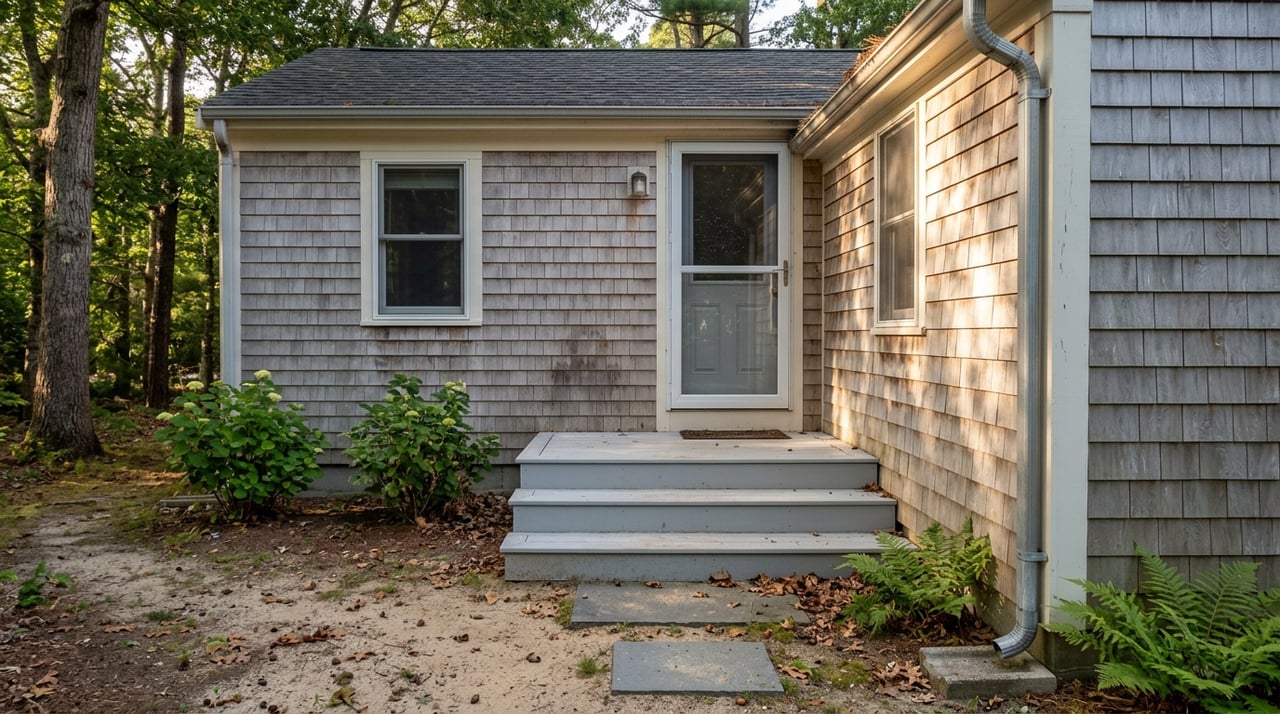
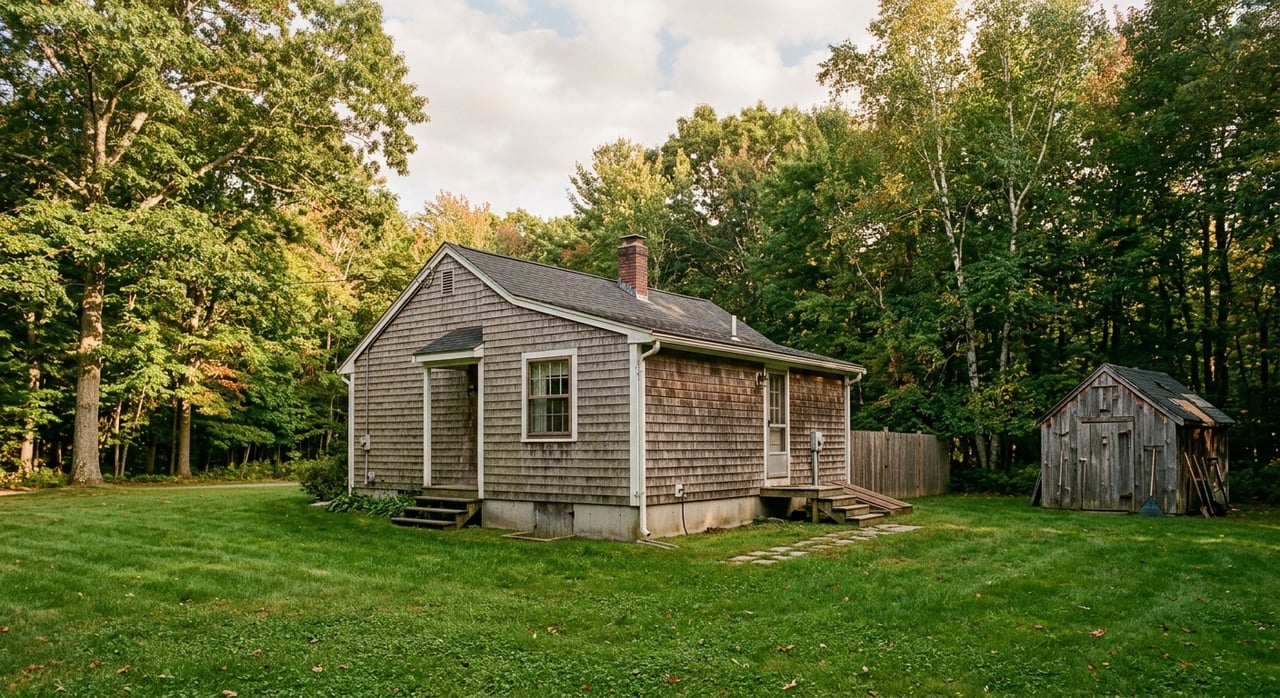
Lakeside is not a place where every house looks the same. Its housing character comes from its resort history and from a mix of older cottages, architecturally distinctive homes, and updated properties with original charm.
For many buyers, this is one of the biggest draws. You are often shopping for setting, scale, and character as much as square footage.
The Harbor Country Chamber describes many residents as living in restored historic summer cottages. That tells you a lot about the local inventory.
Instead of a uniform subdivision market, you are more likely to see homes with age, individual design, and a story behind them. Some have been carefully updated, while others may still need meaningful work to meet a new owner’s goals.
Historic resource surveys identify English Tudor-inspired homes designed by architect Stanley Fairclough in Lakeside, while the Lakeside Inn complex is noted as an example of Arts & Crafts design. These details matter because they help explain why Lakeside feels visually distinct from newer lake-area markets.
If you are buying here, it is smart to look beyond finishes and focus on how the home fits the landscape, lot, and long-term upkeep needs. In a market like Lakeside, architectural character can be a major part of value and enjoyment.
A Lakeside cottage does not behave like an inland home. Chikaming Township notes that Lake Michigan moderates temperatures, but it also contributes to lake-effect rain and snow.
That means wind, moisture, freeze-thaw cycles, and winter preparation deserve more attention than many out-of-area buyers expect. If the home will sit empty for stretches, that maintenance plan becomes even more important.
Michigan State University Extension says moisture control is the most important step in preventing mold and recommends keeping indoor humidity below 50 percent during humid months. It also notes that mold will return if the moisture source is not corrected.
For cottage owners, this often means paying close attention to dehumidification, ventilation, crawl spaces, basements, and areas that may go unchecked during vacant periods. A charming older cottage can be wonderful to own, but it also needs proactive care.
MSU Extension also warns that ice dams can force water back into roofs and attics. In a lake-effect weather pattern, that is not something to treat as a minor issue.
Before you buy, it is wise to understand the roof’s age, drainage patterns, insulation, and any prior signs of water intrusion. These are early inspection conversations that can save you from expensive surprises later.
Not every Lakeside property will have the same utility setup. If a home is not on municipal utilities, well and septic questions should move to the top of your checklist.
This is especially important for buyers coming from more urban areas, where private systems may be unfamiliar.
Michigan officials say about 25 percent of residents use a private residential well and that wells should be inspected, tested, and maintained regularly. The state also says Michigan relies on more than 1.3 million septic systems, which should be serviced regularly and inspected yearly.
In Berrien County, Environmental Health handles well and septic permitting and consultation. As a buyer, you should confirm the property’s water source, wastewater setup, service history, and any available records well before closing.
In Lakeside, land stewardship is not just a talking point. It can directly affect what you can improve, build, or alter on a property.
Michigan officials note that Great Lakes shorelines have seen more erosion in recent decades because of record high and low lake levels. EGLE also says Critical Dune Areas are regulated and require permits for certain development and alteration work.
Chikaming Township planning documents say the northern two-thirds of the township contains protected critical dunes. That means buyers should ask early about drainage, dune or bluff stability, and whether future work could trigger review.
Projects such as stairs, retaining walls, driveways, additions, or moving sand may not be as simple as they would be elsewhere. If you are buying with renovation plans in mind, this step is essential.
Even if beach access is your main draw, Lakeside ownership also puts you near a larger recreation option. Warren Dunes State Park is nearby and offers 1,500 acres, 3 miles of Lake Michigan shoreline, and 6 miles of hiking trails.
That gives owners another way to enjoy the area beyond the smaller local access points. It is a helpful part of the bigger picture if you want a mix of neighborhood familiarity and larger public outdoor space.
When you are evaluating a cottage in Lakeside, it helps to focus on the issues that tend to matter most in this market. A beautiful house tour is only one part of the decision.
A more informed review usually includes these early questions:
The buyers who tend to enjoy Lakeside most are the ones who understand what they are buying into. This is a place where natural setting, beach access, seasonal rhythm, and home character often matter more than convenience in the suburban sense.
That is exactly why so many people love it. When you go in with a clear view of the lifestyle and the ownership responsibilities, a Lakeside cottage can feel less like a simple purchase and more like a long-term place to return to.
If you are considering a cottage, second home, or lake-area property in Lakeside, working with someone who understands Harbor Country’s land, housing stock, and local review considerations can make the process much smoother. To talk through your options, reach out to Cameron Mammina.
Stay up to date on the latest real estate trends.
Contact me to learn how I deliver exceptional customer service to every client.